Insights and Case Reports

Practical Case Studies

Case Study: Progressive Mobility After Knee Replacement

Case Study: Progressive Mobility After Knee Replacement

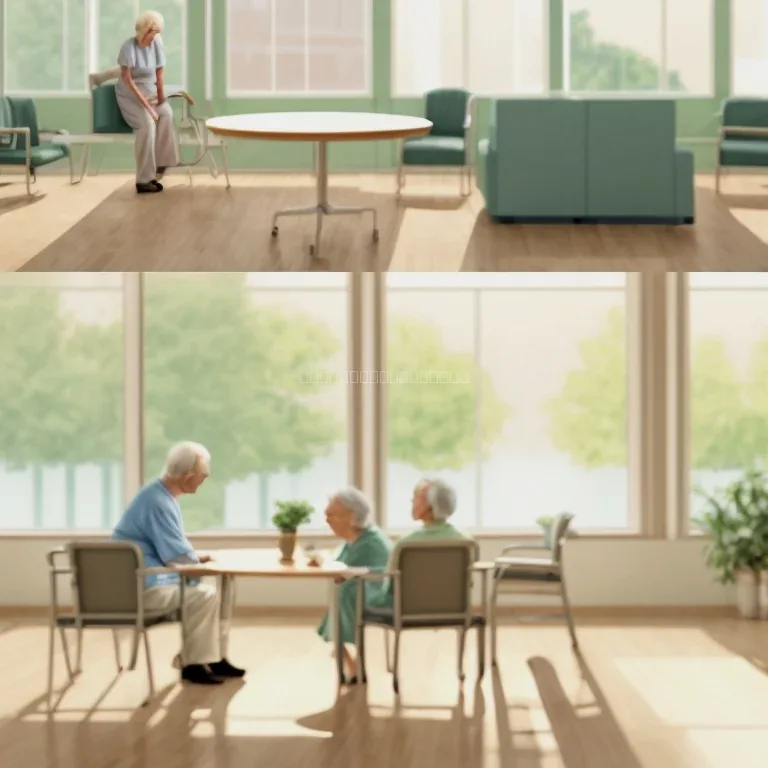
A 68-year-old patient followed a staged therapy schedule focused on range of motion, gait retraining and home exercise. Regular functional benchmarks allowed the team and family to adjust intensity and equipment needs over six weeks.

Reducing Readmissions in Chronic Heart Failure

Reducing Readmissions in Chronic Heart Failure

This case report outlines a nurse-led education program paired with tailored low-intensity exercise and fluid-management coaching that improved symptom recognition and reduced urgent clinic visits in documented scenarios.

Supporting Cognitive Engagement at Home

Supporting Cognitive Engagement at Home

A practical scenario describes stepwise cognitive activities, caregiver cueing strategies and environmental modifications that helped preserve routine skills for an older adult with mild cognitive impairment.

Senior Care Model

How HealthMResort Operates — Case-Driven Senior Care

  • Multidisciplinary coordination using scenario templates
  • Outcome tracking with functional milestones
  • Family-inclusive transition planning
Team meeting at HealthMResort reviewing case scenarios
1

Foundations of Our Care Model

HealthMResort structures care around documented case scenarios that reflect common senior needs: post-operative recovery, chronic disease stabilization, fall-prevention and cognitive support. Each scenario defines assessment checkpoints, responsible clinicians and measurable milestones to ensure clarity.

This approach reduces variability in planning and helps families understand the likely sequence of interventions, timelines and required home supports based on prior cases.

2

Operational Workflow: From Assessment to Transition

Our workflow emphasizes timely assessment, a tailored intervention plan and a clear transition pathway to home or community care with follow-up checkpoints.

  • Initial multidisciplinary assessment with scenario mapping
  • Weekly case reviews to adjust therapy intensity and supports
  • Structured discharge planning with caregiver training and follow-up schedule

Real-world cases inform each step so the plan is realistic and aligned to the senior’s baseline function and personal goals.

3

Case Example: Fracture Recovery Pathway

A typical fracture recovery pathway begins with pain optimization, early mobilization protocols and progressive strengthening. Practical benchmarks mark milestones such as independent transfers, stair negotiation and safe return home.

Scenario: 75-year-old with hip fracture — stepwise mobility restoration over 8 weeks.

Throughout, therapists document progress and pivot when necessary: for example, intensifying balance training when gait asymmetry persists or introducing home modifications when transfers remain unsafe.

4

Quality and Safety Measures

Clinical protocols follow national standards and are adapted to senior populations with emphasis on medication review, fall risk reduction and infection prevention.

Quality checks include documented scenario outcomes and regular chart reviews to identify trends and areas for improvement.

Continuous improvement through case audits

Audit findings are translated into updated pathway templates that refine pacing, therapy intensity and caregiver instruction materials.

5

Family Engagement and Education

Families receive scenario-based education outlining likely timelines, common complications to watch for and practical assistance tasks for daily care.

Education sessions use case examples and stepwise checklists so family caregivers can apply skills confidently at home.

6

Program Offerings

HealthMResort provides modular programs that can be combined depending on the senior’s needs and the documented case scenario.

  • Post-operative rehabilitation modules
  • Chronic disease stabilization and exercise tolerance training
  • Cognitive stimulation and daily living support

Each module includes clear entry criteria, expected timeline and measurable outcomes drawn from prior case data.

7

Referrals and Access

Referrals are accepted from hospitals, primary care physicians and families. Intake includes a rapid scenario mapping to identify the relevant care pathway.

We aim to expedite assessments so seniors begin the most appropriate program without unnecessary delay.

Contact Our Referral Team

For professional referrals or to discuss a specific case scenario, contact HealthMResort’s referral coordinator to arrange assessment and program planning.

  • [email protected]
  • +60126767281
  • Jalan Sultan Azlan Shah, 50350 Kuala Lumpur, Federal Territory of Kuala Lumpur, Malaysia
  • 908341191042
Contact Referral Team
Practical care plans for everyday recovery

Arrange a Case Review for Your Loved One

Book a short consultation where our care coordinators review a practical scenario of daily living needs and propose a modular stay plan tailored to medical and mobility requirements.

Real-life cases from HealthMResort

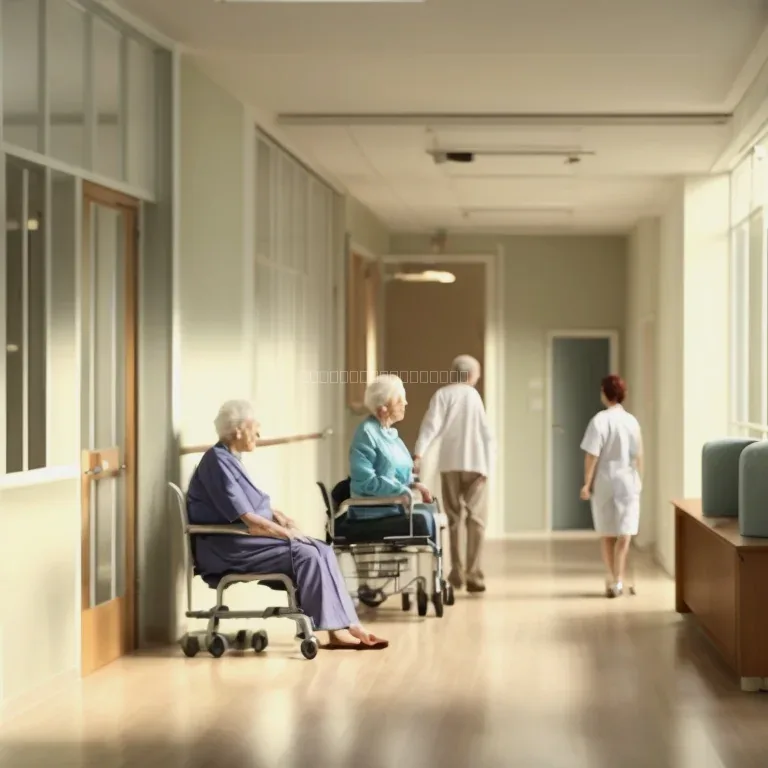
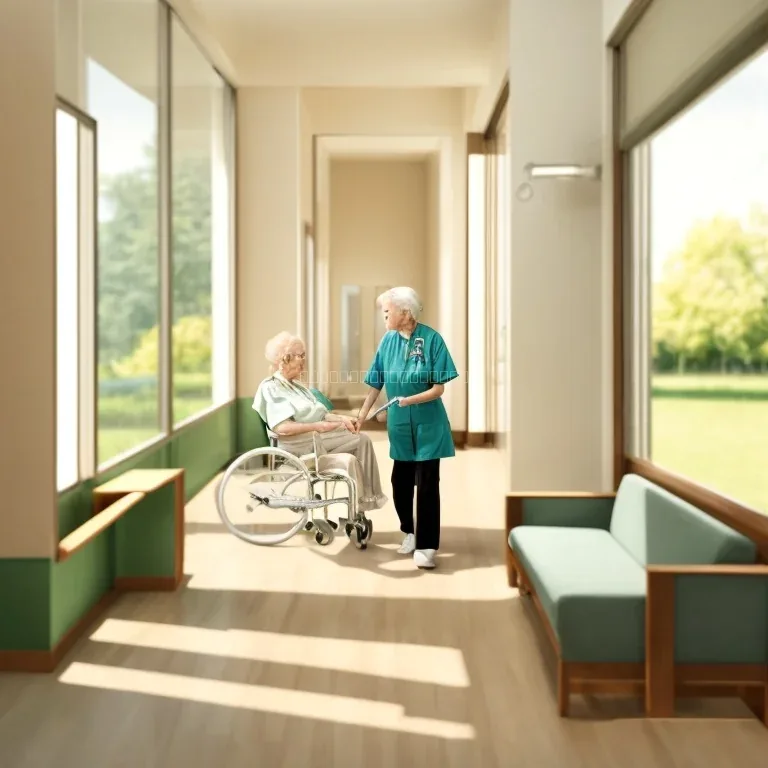
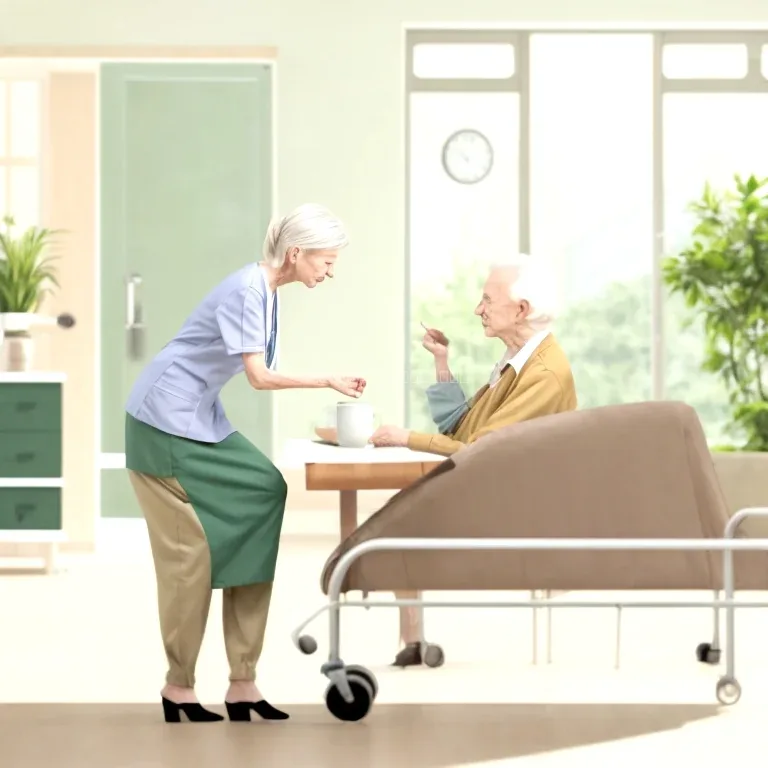
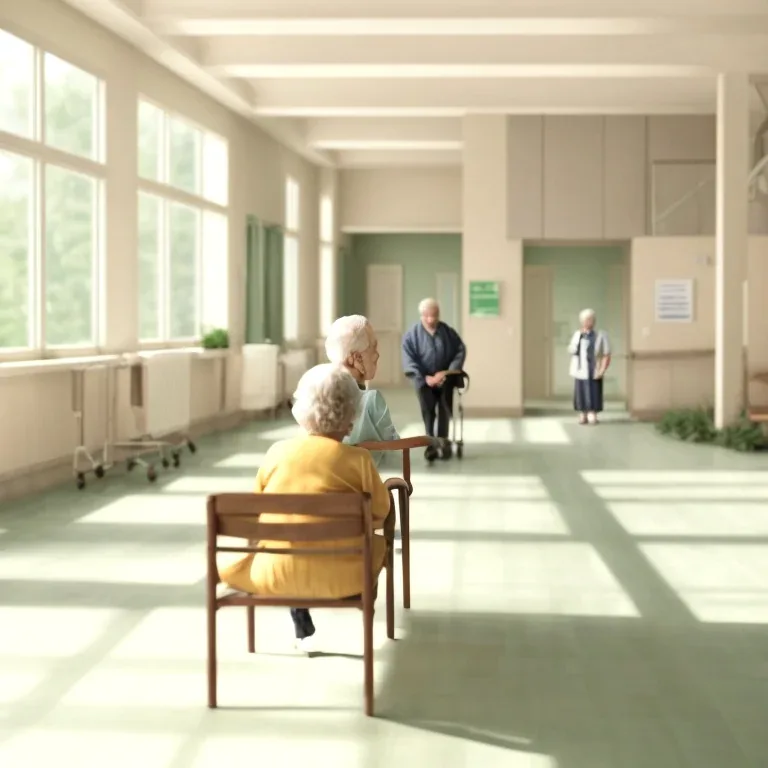
We present short case studies that show how structured rehabilitation, routine monitoring and social programs combine to support independence. Each example explains initial needs, the step-by-step regimen implemented, and measurable outcomes such as improved mobility, medication adherence and social engagement. These scenarios are practical and rooted in clinical best practices used at HealthMResort.

image
Case Study

Post-Operative Mobility Recovery — Mr. Tan

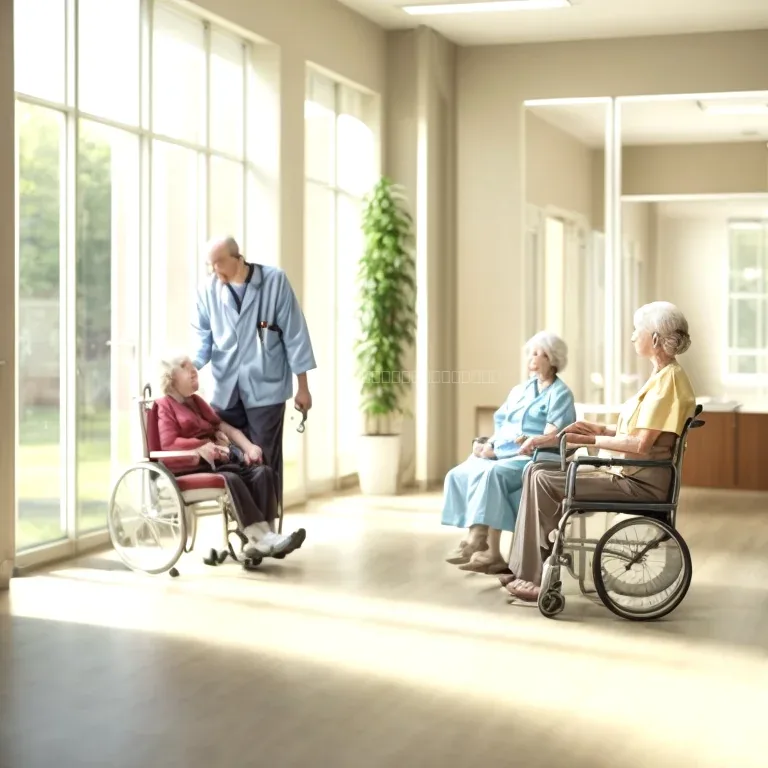
Scenario: A 72-year-old recovering from hip replacement faced stiffness and balance issues. Approach: A staged physiotherapy program with daily balance exercises, gait training and adaptive equipment trials. Outcome: Within six weeks the client progressed from supervised walking to independent ambulation with a cane during daytime. The plan emphasized small incremental goals and family training sessions to maintain progress at home.

Explore similar cases
image
Scenario

Chronic Obstruction Management — Mrs. Lee

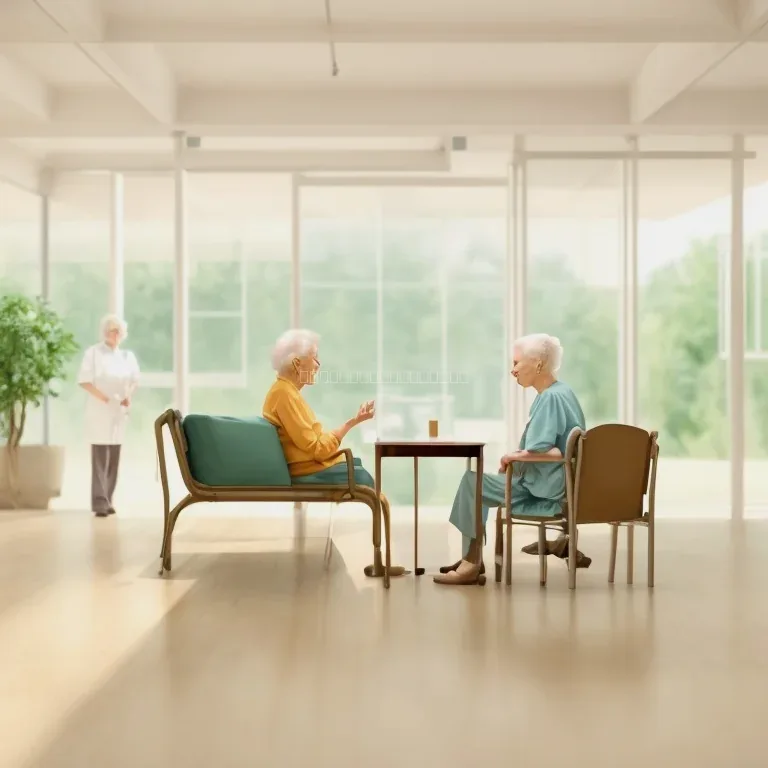
Scenario: An 80-year-old with chronic respiratory issues needed a stable environment to reduce exacerbations. Approach: Coordinated medication review with a visiting pulmonologist, breathing exercises, and tailored pulmonary physiotherapy sessions. Outcome: Fewer night-time awakenings reported and a clearer, documented action plan for exacerbations shared with the family caregiver.

Explore similar cases
image
Practical Example

Cognitive Engagement Plan — Mr. Omar

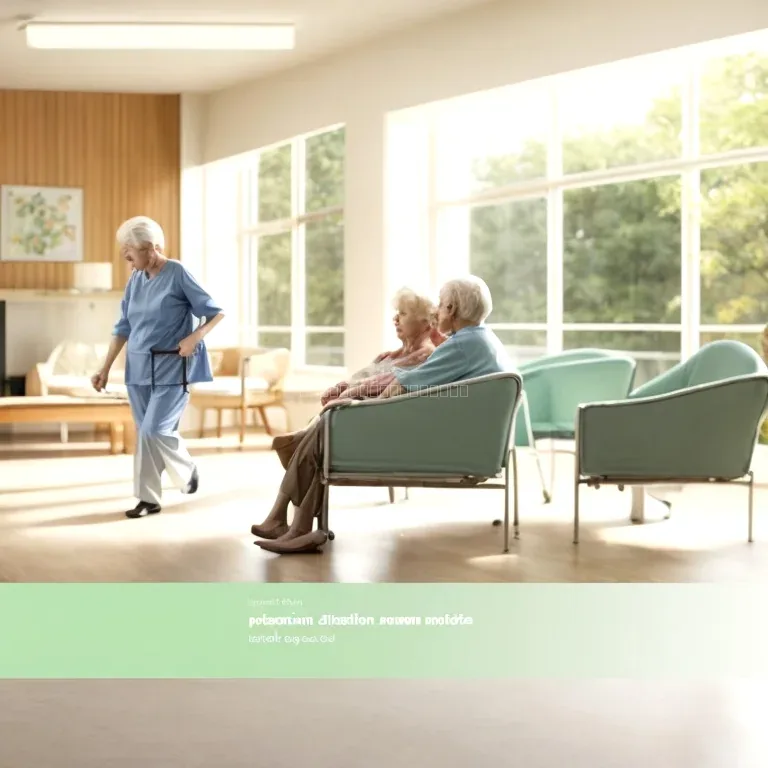
Scenario: A 76-year-old showing mild cognitive decline sought structured daily routines to maintain function. Approach: Memory-oriented activities, physiotherapy to support mobility, and monitored social groups designed to encourage participation. Outcome: Noticeable improvement in routine independence and calmer behavior patterns during mealtimes. Family received a tailored at-home activity plan.

Explore similar cases
Aisha Rahman
Aisha Rahman
online